Eyes Open, Chips Ready: Reading the Room at a Live Casino Table
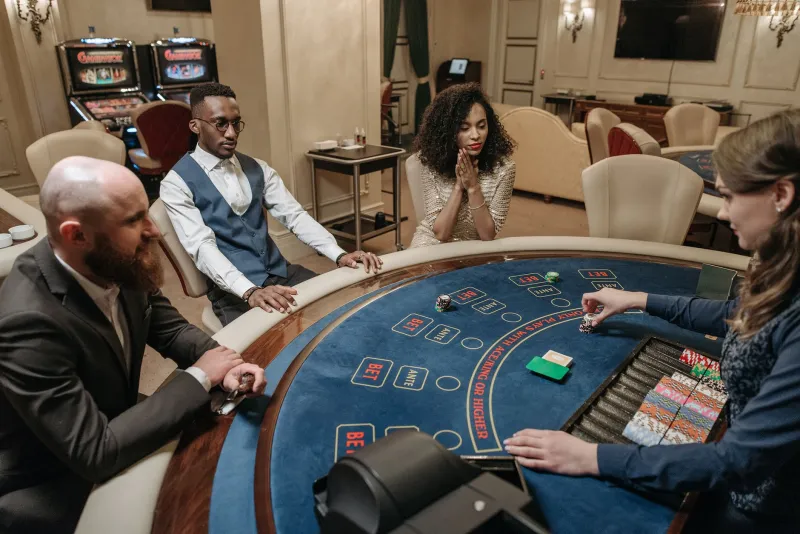
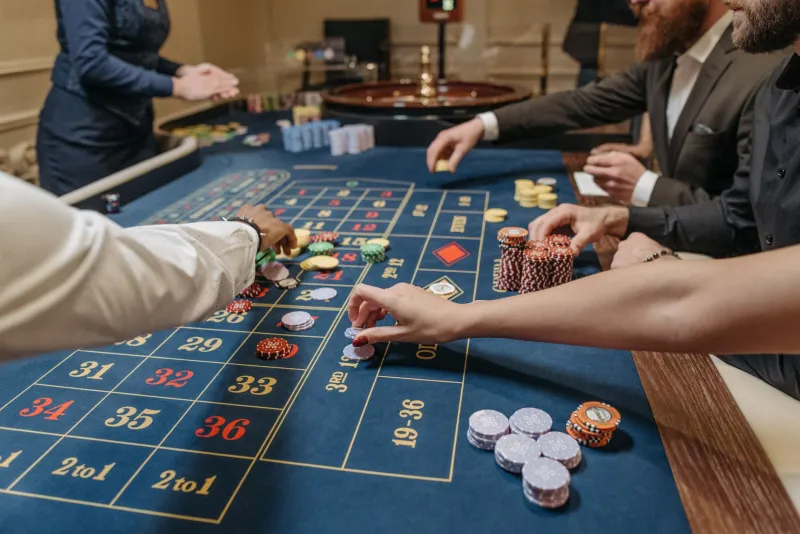
Walk onto any casino floor — whether it's a Vegas landmark or a tribal gaming room in Connecticut — and you'll notice something right away: everyone is paying attention to everyone else. The guy in the corner is watching the roulette wheel like it owes him money. The dealer is scanning the table with a calm that borders on robotic. The pit boss is doing that slow, deliberate walk that somehow never looks rushed.
Here's the thing: all of that watching? It goes both ways. And the players who understand that tend to have a much richer — and sometimes more profitable — experience at the table.
This isn't about cheating. It's not about counting cards in some Hollywood-movie sense. It's about social intelligence — the same skill that helps you read a room at a job interview or know when a conversation is about to go sideways. Applied to a casino environment, that skill becomes something genuinely useful.
What the Dealer Is (and Isn't) Telling You
Dealers are trained to be consistent. That's the whole point. A good dealer runs their table like a machine — same hand movements, same cadence, same neutral expression regardless of what's happening with the cards. But humans are humans, and even the most seasoned dealer has micro-behaviors that leak through.
Pace is one of the biggest ones. When a dealer starts moving faster — shuffling more quickly, flipping cards with less deliberation — it can sometimes signal that management is watching the table more closely, or that something unusual is happening on the floor. Conversely, a dealer who slows down and becomes more conversational might be signaling a relaxed environment where players are in less of a hurry.
Mood matters too. A dealer who's visibly tired or distracted at the end of a long shift isn't necessarily going to make mistakes, but the energy at the table shifts. Games feel different. Decisions get made differently. Noticing that shift helps you calibrate your own approach — maybe you tighten up your strategy, or maybe you take a break and come back when the table feels more energized.
One thing worth noting: dealers are not your enemy, and they're not your secret ally. They work for the house. Reading them doesn't mean manipulating them. It means being present and aware, which is always a good policy at the table.
The Pit Boss Walk: What That Slow Stroll Actually Means
Pit bosses are the floor managers of the casino world. Their job is to monitor everything — table limits, player behavior, dealer performance, and any unusual betting patterns. When a pit boss starts hovering near your table, newer players sometimes get rattled. Experienced players know to stay cool and keep their focus.
That said, the direction and frequency of a pit boss's attention does carry information. If they're watching a specific player intently, that player is doing something that caught their eye — big swings in bet size, unusual consistency in wins, or behavior that stands out. You don't need to know exactly why they're watching. You just need to know that the table's energy has changed.
Some players use this as a cue to reassess. If the environment around a table feels like it's being scrutinized, it's a reasonable moment to evaluate whether your current strategy is working for you — not because you're doing anything wrong, but because pressure changes the game for everyone involved.
Betting Patterns: The Loudest Language Nobody's Speaking
Your fellow players are telling you stories with every chip they push forward. The question is whether you're listening.
Someone who consistently bets small and then suddenly drops a large wager is reacting to something — maybe a pattern they've noticed, maybe a gut feeling, maybe just boredom. You don't know which. But the behavior itself is data. A player who chases losses with increasingly aggressive bets is in a different headspace than one who steadily maintains the same stake through wins and losses.
None of this tells you how to bet. That's your call, based on your own strategy and bankroll. But awareness of the emotional temperature around the table can inform your timing. Jumping into a table where two players are clearly tilted and chasing losses is a different experience than sitting down with a group of calm, methodical players. The atmosphere affects your own decision-making more than most people admit.
In poker, of course, reading other players is literally part of the game. But even in games like blackjack or baccarat — where you're technically playing against the house — the social environment shapes the experience in real ways.
The Ethics of Observation: Where Smart Ends and Problematic Begins
Here's where it gets important. There's a clear line between being an observant player and being a predatory one.
Observation becomes problematic when it shifts from awareness to exploitation. Targeting players who are visibly struggling — emotionally, financially, or otherwise — and trying to benefit from their distress isn't strategy. It's taking advantage. The same goes for any behavior that involves deceiving other players, manipulating the social dynamics of a table, or using information in ways that violate casino rules.
Smart observation is passive. You're not doing anything to change the environment. You're simply paying attention to what's already happening and letting that awareness inform your own decisions. There's nothing unethical about noticing that a table is running hot or cold, or that a particular dealer has a quicker tempo than usual, or that the player next to you seems to be having a rough night.
What you do with that awareness is where character comes in. The best players — the ones who actually enjoy the experience long-term — use social intelligence to protect themselves, not to prey on others.
Building Your Own Awareness Practice
If you want to sharpen your casino floor IQ, start by simply slowing down. Most players arrive at a table and immediately start betting. Try spending a few hands just watching before you commit. Notice the rhythm of the game. Notice the dealer's demeanor. Notice who at the table seems focused and who seems distracted.
Then, as you play, keep part of your attention on the broader environment rather than locking in entirely on your own hand. It takes practice to split your focus that way, but it gets easier. And it pays off — not always in direct financial wins, but in a more grounded, less reactive approach to the game.
At Magius Casino, we talk a lot about playing smart. This is what that actually looks like in practice. Not just understanding the math of a game, but understanding the human environment around it. Because the casino floor isn't just a collection of games — it's a social space, and the most effective players know how to navigate both dimensions at once.
Spin bold. But keep your eyes open while you do it.