Perks With a Price Tag: How to Play Casino Loyalty Programs Without Getting Played

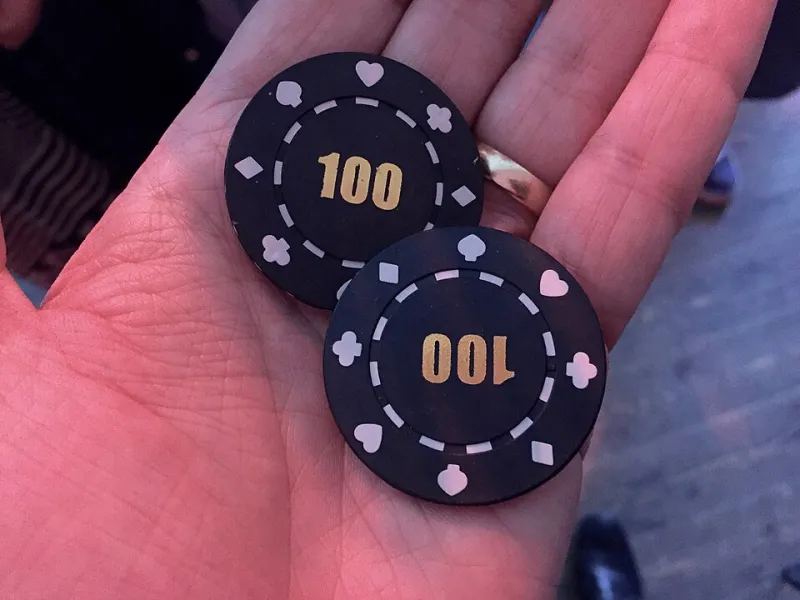
Photo: casino loyalty rewards card VIP program chips, via www.psu.com
Free hotel stays. Bonus credits. Priority seating at the poker room. On the surface, casino loyalty programs read like a thank-you note from the house. But anyone who's spent time studying how casinos actually operate knows there's no such thing as a free comp. Every perk you earn is funded by the wagers you've already placed — and the ones the casino is counting on you to place next.
That doesn't mean loyalty programs are a scam. It means they're a system. And like any system, if you understand the mechanics, you can work them to your advantage instead of the other way around.
The Architecture of the Reward Loop
Casino rewards programs are built on behavioral psychology, specifically the same reinforcement principles that make slot machines so compelling. Points accumulate with every bet. Milestones trigger celebrations — tier upgrades, bonus multipliers, personalized offers. The message is consistent: the more you play, the more you earn.
What gets buried in the fine print is the conversion rate. Most land-based and online loyalty programs return somewhere between 0.1% and 0.5% of total wagers back to players in the form of comps. That means for every $1,000 you run through the tables or slots, you're getting back maybe $1 to $5 in real value. The perks feel significant because they're delivered as experiences — a free night at a nice hotel, a dinner reservation, a bonus spin package — rather than as a cash line on your statement.
Emotional value and monetary value are not the same thing. Casinos know this. You should too.
Tier Pressure Is Real
One of the cleverest mechanics in any tiered loyalty program is the expiration window. You hit Gold status in March, and suddenly the clock is ticking on whether you'll maintain it through December. The casino isn't doing you a favor by giving you status — it's giving you a deadline.
This is where a lot of players fall into what's called the tier trap. They start making bets not because they want to play, but because they want to protect a status level. The psychology flips entirely. Instead of playing when it makes sense for your bankroll, you're playing to satisfy a program's requirements. That's the casino's goal, not yours.
If you've ever thought, I need to put in a few more sessions before the month ends to keep my status, you've already experienced tier pressure. Recognizing it is the first step to not letting it run your decisions.
The Personalized Offer Problem
High-tier loyalty members often receive what feel like incredibly generous, customized offers — bonus credits on their birthday, a reload match tied to a game they've been playing frequently, a free tournament entry right after a losing streak. These aren't coincidences. Modern casino platforms track player behavior in granular detail and deploy offers at moments specifically calculated to re-engage players who might otherwise walk away.
A well-timed offer after a rough session can feel like the casino looking out for you. In reality, it's the casino doing the math and deciding you're worth retaining. That's not inherently sinister — it's just business. But if you accept every personalized bonus without evaluating it against your own plan, you're letting the algorithm make your bankroll decisions for you.
Extracting Real Value Without Extending Your Play
Here's the thing — loyalty programs can absolutely work in your favor, as long as you approach them strategically rather than emotionally. The framework is straightforward:
Play what you were already going to play. The cardinal rule of loyalty programs is that you should never increase your bet size or session length purely to earn more points. If the play made sense before the points existed, it makes sense now. If it only makes sense because of the points, skip it.
Know your actual comp rate. Before you get excited about a reward, calculate what it cost you in wagers to earn it. Most programs make this intentionally opaque, but the math is worth doing. If you wagered $2,000 to earn a $15 dining credit, that's a 0.75% return. Compare that to games with better house edges and ask yourself whether the program is actually improving your overall value.
Redeem for cash or credits, not experiences. Whenever possible, prioritize redemptions that have clear monetary value. A $50 bonus credit toward future play is trackable. A complimentary dinner for two is enjoyable, but it's also a reason to stay on property longer — which is exactly what the casino wants.
Set your tier ceiling. Decide in advance which tier is worth pursuing based on your natural play habits, then stop there. Chasing the next level almost always costs more than the incremental perks are worth.
Use promotional windows, not the other way around. Double-points weekends and multiplier events are real opportunities — but only if you were planning to play anyway. Let the calendar inform your timing, not dictate your volume.
The Bigger Picture
At Magius Casino, the philosophy is simple: smart play beats reactive play every time. Loyalty programs are tools, and like any tool, their value depends entirely on who's holding them and how. A hammer builds a house in the right hands. In the wrong hands, it just makes a mess.
The players who genuinely benefit from casino rewards aren't the ones with the highest tier status or the most points accumulated. They're the ones who treat every perk as a bonus on top of a session they already controlled — not a reason to extend a session they shouldn't have started.
Free perks are real. The trap is just as real. Knowing the difference is what separates a player who uses the system from one the system uses.
Spin bold, play smart — and make sure every comp you earn is one you actually came out ahead on.