You're Not in Control — And That's Exactly What the Casino Counts On
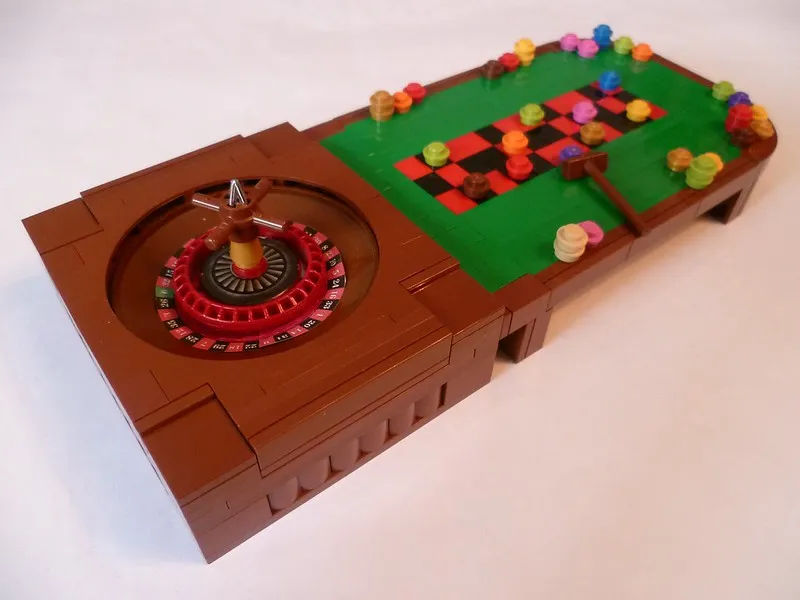
Photo: Legoloiii, CC BY-SA 4.0, via Wikimedia Commons
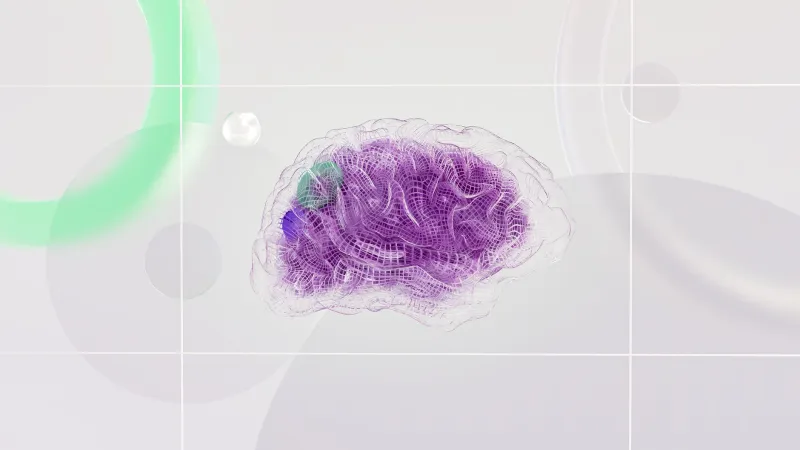
The Brain That Thinks It's Smarter Than a Random Number Generator
Here's a thought experiment. You're at a roulette wheel. Red has hit seven times in a row. Your gut screams that black is due. You slide your chips over. You feel confident — almost certain.
That confidence? Completely manufactured. And casinos have known about it for decades.
The phenomenon is called the illusion of control, a term coined by psychologist Ellen Langer back in 1975. In her landmark research, Langer found that people routinely behave as though they can influence outcomes that are entirely determined by chance. They throw dice harder when they want high numbers. They treat a lottery ticket they picked themselves as more valuable than one handed to them randomly. They develop rituals, patterns, and superstitions — and they genuinely believe these things work.
Casinos didn't invent this quirk. They just built an entire industry around it.
How Game Design Feeds the Fantasy
Nothing in a well-designed casino is accidental. Every button, every sound, every near-miss is engineered with behavioral psychology in mind.
Take slot machines. Modern video slots often feature "skill stop" buttons — the ability to stop the reels yourself rather than letting them spin out automatically. Studies show that players who use skill stops report feeling more in control of the outcome. They also tend to bet more aggressively and stay at the machine longer. The twist? The result is determined the instant you hit spin. The stop button changes nothing about the outcome. It just makes you feel like it does.
Then there's the near-miss effect. When two jackpot symbols line up and the third just barely misses, your brain processes that almost-win similarly to an actual win — dopamine fires, excitement spikes, and you interpret the near-miss as evidence that you're getting closer. You're not. Each spin is independent. But the machine is designed to produce near-misses at a higher frequency than true randomness would generate, specifically because they keep you playing.
Blackjack and poker add another layer. These are games where skill genuinely matters — and that's precisely why they're so dangerous for the illusion of control. A player who studies basic blackjack strategy and wins a few sessions can easily start believing they've unlocked something most players haven't. They start deviating from optimal play, trusting their gut, making side bets. The house edge on those side bets? Sometimes ten times higher than the main game.
Selective Memory: Your Brain's Highlight Reel
Here's another wrinkle: you remember your wins more vividly than your losses.
This isn't a character flaw — it's cognitive architecture. Psychologists call it the availability heuristic, which basically means we judge probability based on how easily examples come to mind. A big win is emotionally charged, memorable, and easy to recall. A slow grind of small losses blurs together and fades.
The result is a wildly skewed internal scoreboard. Ask a recreational casino player how they've done over the past year and most will either genuinely believe they're roughly breaking even or will underestimate their losses significantly. The house doesn't need to manipulate you — your own memory does the work.
This is why keeping an actual record of your sessions matters more than most players want to admit. Not because tracking losses is fun, but because it's the only way to override the brain's natural tendency to write a flattering story about your performance.
The Ritual Trap
Let's talk about rituals for a second, because they're more universal than people like to admit.
Blowing on dice before a craps throw. Always sitting at the same seat at a poker table. Wearing a lucky shirt to a casino. Tapping the screen a certain way before spinning. These behaviors feel meaningful. They create a sense of agency in situations where none actually exists.
From a psychological standpoint, rituals serve a real purpose — they reduce anxiety and create a sense of predictability. But when applied to random outcomes, they become a form of magical thinking that can quietly distort your decision-making. A player who believes their ritual is working will interpret wins as confirmation and losses as flukes. That asymmetry is a fast track to chasing losses and overbetting.
The ritual itself isn't the problem. The problem is when you start making financial decisions based on it.
What Knowing This Actually Gets You
Understanding the illusion of control won't make you immune to it — that's not how cognitive biases work. Even people who study this stuff for a living still feel the pull of a hot streak or the sting of a near-miss. The brain is stubborn.
But awareness creates a gap between feeling and action. That gap is where discipline lives.
When you feel that surge of confidence at the table — when you're certain you've read the pattern, that your system is working, that this spin is different — that's the moment to pause. Not because you're definitely wrong, but because certainty in a random system is always a red flag worth examining.
Practical moves that help:
- Set your session budget before you sit down, not in the moment when emotions are running hot.
- Log your results across sessions. Actual numbers beat memory every time.
- Treat near-misses for what they are — not encouragement, just math.
- Separate games of skill from games of pure chance and adjust your expectations accordingly. Poker strategy is real. Slot machine strategy is mostly mythology.
- Watch for the ritual creep — if you notice yourself developing superstitions, treat that as a signal to check in on your mindset.
The Smartest Edge You Can Bring to the Table
Casinos are entertainment businesses. The house edge is the price of admission, and there's nothing wrong with paying it for a good time. But the players who get the most out of their sessions — who walk away having genuinely enjoyed themselves without getting wrecked — are almost always the ones who play with their eyes open.
Knowing that your brain is wired to see skill in randomness, to remember wins and forget losses, and to feel control where none exists isn't depressing. It's actually freeing. It means you can stop chasing something that isn't there and start focusing on what actually matters: having fun, playing within your means, and making decisions based on reality rather than the story your brain wants to tell.
Spin bold. Play smart. And next time that little voice says you've got the machine figured out — give it a skeptical nod and stick to your plan.